

- Written by: admin
- September 29, 2026
Traffic Movement Information for Better Transport Planning
Road networks are constantly affected by changes in vehicle demand, travel patterns, junction activity, and movement between different locations. Having reliable information about these conditions can help transport professionals assess existing road use and develop a clearer understanding of traffic activity within an area.
Traffic Flow Data provides information about the movement and volume of vehicles at selected locations and during defined observation periods. Depending on the requirements of a project, data can cover traffic volumes, vehicle classifications, directional movements, and changes in activity throughout the day.
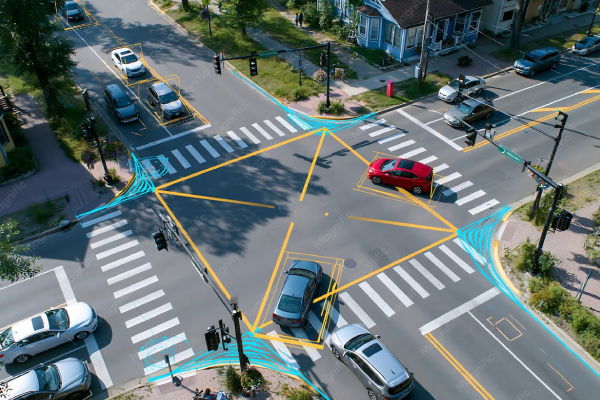
What Traffic Movement Data Reveals
Traffic movement can vary considerably depending on the location, time of day, road layout, surrounding development, and other factors. Collecting observations over an appropriate period can help identify these variations.
The information may provide insight into:
• Vehicle volumes at specific locations
• Traffic movement in different directions
• Changes between peak and off-peak periods
• Different types or classifications of vehicles
• Traffic activity along road links
• Turning movements at junctions
• Patterns that may require further investigation
These observations can provide a factual picture of traffic conditions during the selected survey period.
Why Reliable Traffic Information Matters
Transport planning often requires an understanding of existing conditions before changes to roads, junctions, developments, or infrastructure are considered.
Traffic Flow Surveys can provide location-specific information that helps project teams examine actual vehicle activity rather than relying entirely on assumptions or general datasets.
For example, a development assessment may require information about traffic using nearby roads and junctions. Similarly, a transport study may need to establish traffic patterns before assessing potential changes to a network.
Common Types of Traffic Flow Data
Different traffic studies require different types of information. The survey methodology can be selected according to the objectives of the project.
Road Link Counts
Link counts record the number of vehicles travelling along a particular section of road. They can help establish traffic volumes on specific routes.
Junction Turning Counts
Turning movement information records vehicles travelling through a junction and identifies movements such as left turns, right turns, and straight-ahead movements.
Vehicle Classification
Where required, vehicles can be grouped into relevant categories. This can provide additional detail about the composition of traffic using a road or junction.
Time-Based Counts
Traffic observations can be collected at selected times to identify changes in activity throughout the day. This can help distinguish busier periods from quieter conditions.
The Data Collection Process
A structured collection process helps ensure that the information gathered is suitable for the intended analysis.
Establishing the Survey Requirements
The relevant locations, survey periods, traffic movements, and data requirements are identified based on the objectives of the project.
Selecting the Collection Method
Depending on the site and project, information can be gathered through manual observation, video recording, automated detection tools, sensors, or other technology-assisted methods.
Recording Vehicle Movements
Traffic activity is recorded consistently throughout the agreed observation period. The methodology can be adapted to the characteristics of the location and the information required.
Validating and Processing the Data
Collected information is reviewed and checked before being organised into a suitable format. This can help identify inconsistencies and improve the usability of the final dataset.
Preparing the Report
Results can be presented through tables, charts, and visual summaries within a client-ready report, allowing project teams to review the findings more easily.
Applications in Transport and Development Projects
Traffic information can support a wide range of transport-related studies. Developers, consultants, planners, engineers, local authorities, and researchers may require traffic data for different purposes.
Potential applications include:
• Transport assessments
• Development planning
• Traffic modelling
• Road network analysis
• Junction assessments
• Infrastructure planning
• Traffic management studies
• Before-and-after surveys
• Mobility research
Traffic information can also be combined with other datasets. Parking activity, pedestrian movements, cycling counts, queue observations, and public transport monitoring can provide additional context when examining movement within an area.
Benefits of Accurate Traffic Data
Reliable observations can provide several practical benefits for transport and planning projects.
Location-specific evidence: Data is collected from the roads or junctions relevant to the project.
Clear traffic patterns: Observations can show changes in vehicle activity throughout selected periods.
Detailed movement information: Counts can provide information about volumes, directions, and vehicle categories where required.
Supporting project analysis: Traffic data can be incorporated into wider transport assessments and studies.
Clear reporting: Tables, charts, and visual summaries can make collected information easier to review.
The quality and usefulness of the results depend on appropriate survey design, consistent collection methods, and careful validation.
Traffic Data for London Transport Studies
London’s road network includes a wide range of junctions, road types, developments, and transport modes. Traffic conditions can therefore vary significantly between locations and throughout the day.
Mulu Data Solutions provides traffic and transport data collection services across London and surrounding areas. Its approach combines contemporary and traditional methods, including manual observation, video recording, automated detection tools, sensors, and other technology-assisted techniques where appropriate.
The company can collect information about road links, junction movements, queues, parking, pedestrians, cyclists, and public transport, allowing different datasets to be used together when required.
Why Choose Mulu Data Solutions?
Mulu Data Solutions specialises in traffic surveys, public transportation monitoring, and market research information gathering.
Collected information is validated, tabulated, and presented in client-ready formats, including tables, charts, and visual summaries. Services are relevant to transport and urban planners, traffic consultants, local authorities, developers, engineers, transport operators, researchers, and market analysts.
The data collection approach can be tailored to the requirements of each individual project and location.
Frequently Asked Questions
What is traffic flow data?
It is information about vehicle movements and traffic activity collected at selected locations during defined observation periods.
What can traffic surveys measure?
Depending on the project, surveys can measure vehicle volumes, turning movements, classifications, directional flows, and changes in traffic activity over time.
Where can traffic flow surveys be conducted?
They can be carried out on road links, junctions, development access points, roundabouts, and other relevant locations.
Why is traffic data useful for development projects?
It can provide information about existing traffic conditions that may contribute to transport assessments and wider development planning.
Can traffic data be collected using video?
Yes. Video recording can be used where appropriate, alongside manual observation and other technology-assisted collection methods.
Can traffic flow data be combined with other surveys?
Yes. Traffic information can be considered alongside queue, parking, pedestrian, cycling, junction, and public transport data.
Conclusion
Reliable information about vehicle movements can provide an important foundation for transport planning, development assessments, traffic studies, and infrastructure projects. Traffic Flow Data can help project teams examine vehicle volumes, movement patterns, and changes in traffic activity at specific locations.
Mulu Data Solutions provides traffic data collection and transport monitoring services across London and surrounding areas, with collected information validated and presented in clear, client-ready formats.
Contact Mulu Data Solutions to discuss your traffic data requirements and develop a survey approach suited to your project.