

- Written by: admin
- September 29, 2026
Measuring Junction Movements for Effective Road Planning
Effective transport planning depends on accurate information about how vehicles, pedestrians, cyclists, and public transport users move through a network. Reliable survey data helps planners, engineers, developers, and local authorities understand existing conditions before making decisions about roads, junctions, parking facilities, and transport infrastructure.
Professional Traffic Data Collection provides a structured way to gather this information from specific locations and during relevant observation periods. The results can support transport assessments, traffic modelling, infrastructure planning, congestion analysis, and operational studies. Mulu Data Solutions combines manual observation, video recording, and technology-assisted methods to gather project-specific information and present it in clear, client-ready formats.
Why Junction Movement Data Matters
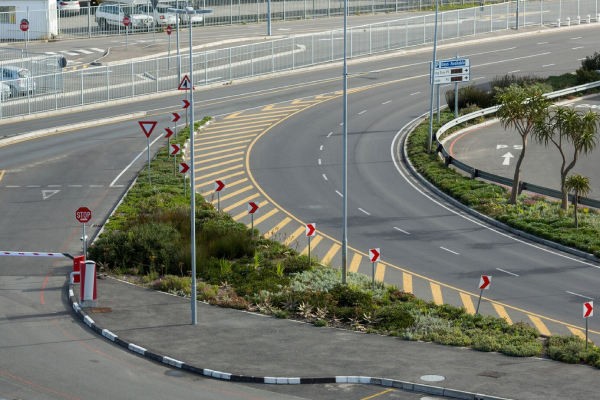
A junction can experience very different traffic conditions throughout the day. Morning and evening travel periods may produce different movement patterns, while surrounding development, road layouts, and access points can also affect vehicle activity.
Simply knowing that a junction is busy may not provide enough information for detailed analysis. Professionals may need to know how many vehicles use each approach, which movements are most common, and how traffic changes during different observation periods.
Structured survey information can provide this evidence and help establish a clearer picture of how a junction is operating.
What Can Be Recorded?
The information collected during a survey can be tailored to the requirements of the project and characteristics of the junction.
Vehicle Volumes
Counts can record the number of vehicles passing through individual approaches during specified time periods. This provides information about the level of traffic using the junction.
Turning Movements
Turning movement information can show how vehicles travel through the junction. Movements such as left turns, right turns, and vehicles continuing ahead can be recorded according to the survey requirements.
Vehicle Classification
Where required, vehicles can be categorised into relevant groups. This can provide additional detail about the types of traffic using the junction.
Time-Based Patterns
Recording movements across defined intervals can help identify changes in traffic activity. This may allow professionals to compare different periods and identify higher or lower traffic volumes.
How Junction Surveys Are Conducted
A successful survey starts with identifying the purpose of the study and determining the information required. Appropriate junction locations, observation periods, movement categories, and collection methods can then be established.
Manual observation can be used to record vehicle movements directly at the junction. This approach can be suitable where specific movements or classifications need to be captured.
Video recording can also be used where appropriate. Recorded footage can be reviewed after the survey period, allowing movements to be processed and checked against the collected information.
Technology-assisted methods and automated detection tools may also be considered for suitable projects. The chosen approach depends on the survey objectives, location, and type of data required.
Following fieldwork, the information can be reviewed and validated before being tabulated and incorporated into the final report.
How the Results Can Be Used
Reliable junction information can support a variety of transport planning and assessment activities.
Traffic assessment: Movement data can contribute to studies of existing road and junction conditions.
Traffic modelling: Survey results can provide useful information for modelling and network analysis.
Infrastructure planning: Data can help professionals assess existing movement patterns when considering road or junction improvements.
Development assessments: Junction information can form part of transport studies associated with proposed or existing developments.
Operational analysis: Comparing movements across different periods can help identify changes in traffic activity and locations requiring further investigation.
Evidence-based planning: Recorded observations provide measurable information that can be reviewed and incorporated into wider transport reports.
Who Uses Junction Count Data?
Transport consultants may use movement information when preparing transport assessments and analysing traffic conditions.
Traffic engineers can use detailed junction data as part of road network studies, modelling, and infrastructure assessments.
Local authorities may require traffic information when reviewing junction performance and considering transport infrastructure requirements.
Developers can use relevant survey findings as part of development-related transport assessments, while urban planners can incorporate the information into wider planning studies.
Why Choose Mulu Data Solutions?
Mulu Data Solutions specialises in traffic surveys, public transport monitoring, and market research information gathering across London and surrounding areas.
The company combines traditional and contemporary collection techniques, including manual observation, video recording, and technology-assisted approaches. Methods can be selected according to the requirements of each project.
After collection, information can be validated, tabulated, and presented in client-ready formats containing tables, charts, and visual summaries. This helps provide organised information that can support subsequent analysis and planning.
Frequently Asked Questions
What is an Intersection Traffic Count?
An Intersection Traffic Count records vehicle movements at a road intersection during specified observation periods. It can include traffic volumes, directions, and turning movements.
What are Junction Traffic Counts used for?
Junction Traffic Counts can support traffic assessments, transport modelling, infrastructure planning, development studies, and analysis of existing road conditions.
Can turning movements be recorded?
Yes. Turning movements can be recorded to show how vehicles travel through different approaches of a junction.
Can different vehicle types be counted?
Where required, vehicles can be categorised into relevant groups to provide additional information about traffic composition.
Can video be used for junction surveys?
Yes. Video recording can be used where appropriate to capture vehicle movements for subsequent review, processing, and validation.
Can several junctions be surveyed?
Yes. Where the project requires information from multiple locations, surveys can be planned across several junctions or connected parts of a road network.
Plan Your Junction Survey
Accurate Intersection Traffic Count information can provide valuable evidence about vehicle volumes, turning movements, and traffic patterns at a specific junction. When collected and presented systematically, this information can support transport assessments, modelling, infrastructure studies, and development planning.
If you require Junction Traffic Counts in London or surrounding areas, contact Mulu Data Solutions to discuss your survey requirements and arrange an appropriate data collection approach.