



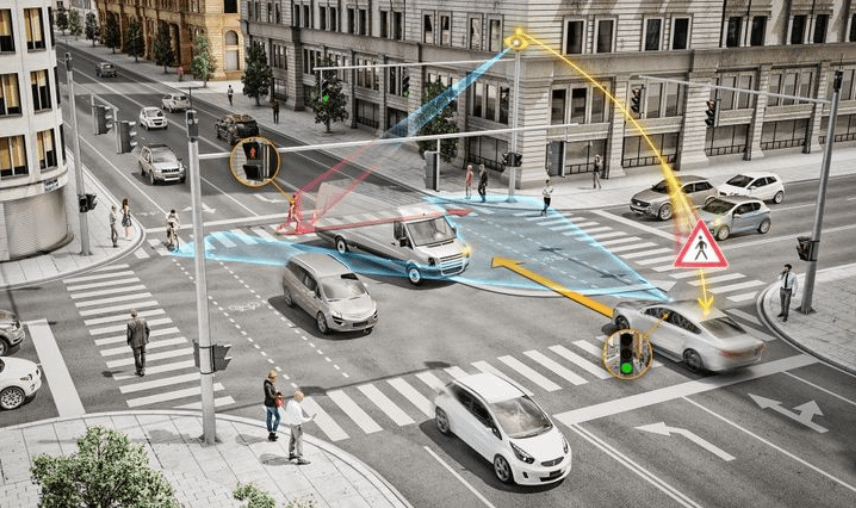
Junction Turning Count Surveys: Optimising Traffic Flow Effectively
Why do some junctions remain congested even after road improvements? Often, the problem is not road size but a lack of detailed movement data. Traffic does not simply arrive at an intersection—it turns, merges, stops, and competes for space.
This is where junction turning count surveys become essential. These surveys record how vehicles move through intersections, showing which turning directions create pressure and where delays begin.
For transport planners, developers, and local authorities, accurate turning data supports better decisions. This article explains how these surveys work, why they matter, and how they help improve road performance across busy urban and suburban networks.
Why Junction Turning Count Surveys Matter for Road Planning
A junction is one of the most sensitive parts of any road network. Small design issues at one intersection can create delays across nearby roads.
Junction turning count surveys help planners understand these movement patterns clearly.
A basic traffic count tells how many vehicles pass through a location. A turning count shows where those vehicles go.
What the Survey Measures
Survey teams record:
- Left turns
- Right turns
- Straight-through movements
- Vehicle type
- Time intervals
This creates a full picture of junction demand.
Why Turning Movements Matter
Two roads may carry similar traffic volume but behave very differently because of turning pressure.
For example:
- Heavy right-turn demand may block through traffic
- Left-turn queues may affect signal timing
- Uneven lane use may reduce junction efficiency
Expert Insight
Transport consultants often explain:
“Turning data tells us how traffic behaves, not just how much traffic exists.”
That difference often changes design decisions.
How Vehicle Turning Count Surveys at Junctions Are Conducted
Good surveys depend on clear observation and accurate timing.
Vehicle turning count surveys at junctions can be completed using trained observers, cameras, or digital counting systems.
Manual Survey Method
Surveyors stand at selected junction points and record every vehicle movement.
This method works well when:
- Junction layout is complex
- Vehicle classification is required
- Short-term studies are needed
Video-Based Survey Method
Cameras record movements for later analysis.
This allows:
- Repeat review
- High accuracy
- Time verification
- Safer field operation
Typical Survey Periods
Most projects focus on:
- Morning peak
- Afternoon peak
- Weekend traffic periods
- Event traffic conditions
The goal is to capture real demand when pressure is highest.
What Survey Teams Track
A standard survey often records:
| Movement Type | Why It Matters |
| Left Turn | Lane pressure |
| Right Turn | Crossing conflict |
| Straight Ahead | Capacity demand |
What Traffic Turning Count Surveys for Intersections Reveal
Raw movement counts become valuable when analysed correctly.
Traffic turning count surveys for intersections show hidden traffic patterns that often explain congestion.
Key Insights from Turning Data
The survey may reveal:
- Uneven lane demand
- Heavy directional traffic
- Signal inefficiency
- Junction imbalance
Example
A junction may show:
- 420 straight-through vehicles
- 180 right turns
- 90 left turns
This means one turning movement may need extra lane support.
Why This Matters
Without this data, planners may widen the wrong road section.
Actionable Tip
Always compare:
- Peak hour turning percentages
- Lane allocation
- Nearby junction impact
This prevents isolated decisions.
How Turning Count Surveys Improve Junction Design
Road design should follow movement demand, not assumptions.
That is why turning surveys often shape final junction layouts.
Common Design Decisions Supported
Turning data helps decide:
- Lane additions
- Signal phasing
- Filter lanes
- Pedestrian crossing placement
- Stop line adjustments
Case Example
A London intersection showed regular delays.
Traffic volume looked normal.
But turning counts revealed:
- Heavy right-turn movement blocked through traffic every cycle
The solution was simple:
- Add a right-turn storage lane
Congestion reduced immediately.
Why Early Surveys Save Cost
Good survey data avoids:
- Design errors
- Delayed approvals
- Expensive redesign work
For developers, this improves project speed.
Where Turning Count Surveys Are Most Commonly Used
Not every road requires turning analysis, but key traffic points almost always do.
High-Value Survey Locations
- Signalised junctions
- Roundabouts
- Development access roads
- School entrances
- Retail traffic points
- Public transport corridors
Urban Traffic Networks
In city areas, small turning delays quickly spread across nearby roads.
A single overloaded turn can affect:
- Bus routes
- Pedestrian crossings
- Adjacent junction timing
Development Planning
Planning applications often require turning surveys to show impact on local roads.
This helps authorities review future traffic safely.
Combining Turning Counts with Other Traffic Surveys
Turning counts become stronger when used with other traffic studies.
Best Survey Combinations
Many projects combine:
- Queue length surveys
- Link counts
- Parking surveys
- Pedestrian counts
Why Combined Data Helps
Turning counts explain movement.
Queue surveys explain delay.
Together, they show both cause and impact.
Example
A junction may have:
- Acceptable turning volumes
- Long queues
This usually means signal timing needs review.
Expert Advice
Good planning rarely depends on one dataset alone.
Choosing Reliable Turning Count Survey Support
Survey quality matters because poor counting leads to weak decisions.
What Good Survey Providers Offer
Choose teams that provide:
- Experienced field surveyors
- Clear time-based reporting
- Flexible survey periods
- Accurate movement diagrams
Questions to Ask Before Hiring
- Will data include vehicle classification?
- Can surveys cover peak traffic periods?
- Is video verification available?
- Can reports support planning applications?
Why Accurate Reporting Matters
A well-presented report helps:
- Engineers
- Councils
- Consultants
- Developers
use data quickly and confidently.
The Future of Junction Surveys in Smarter Transport Planning
Traffic planning is becoming more precise every year.
Modern surveys now support wider goals such as:
- Lower congestion
- Cleaner air
- Better public transport flow
New Survey Trends
Many projects now combine:
- Manual counting
- Camera review
- AI-assisted verification
A Simple Planning Question
Before redesigning any junction, ask:
Which turning movement causes the greatest pressure?
Turning count surveys answer that clearly.
Final Thoughts
Accurate junction turning count surveys help planners understand how intersections really perform.
They reveal movement patterns, support better road design, and improve traffic flow before problems grow.
For local authorities, transport consultants, and developers, turning data creates smarter decisions and stronger project outcomes.