



- Written by: admin
- September 29, 2026
Active Travel Data for Better Walking and Cycling Planning
Walking and cycling are increasingly important parts of modern transport networks. Understanding how people travel without relying on private vehicles can help planners, developers, local authorities, and transport professionals make better decisions about streets, paths, crossings, cycle routes, and wider infrastructure.
Reliable Active Travel Data provides evidence about pedestrian and cyclist movements at specific locations and during relevant periods. This information can help identify travel patterns, understand demand, assess existing facilities, and support future transport planning. Mulu Data Solutions uses manual observation, video recording, and technology-assisted approaches to collect project-specific information and present findings in clear, structured formats.
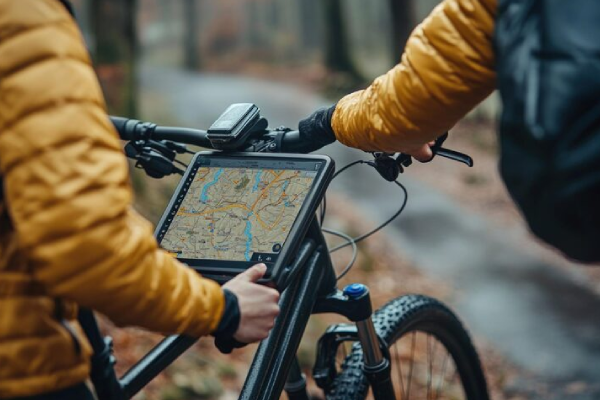
Understanding Active Travel Patterns
People walking and cycling interact with roads and transport infrastructure differently from motor vehicles. Their movements can vary according to location, time of day, surrounding land uses, weather, transport connections, and the availability of suitable facilities.
Collecting information about these movements provides a clearer picture of how a location is being used. For example, a survey may identify pedestrian flows across a junction, cycling movements along a road, or activity around a development or transport interchange.
This evidence can support decisions about pedestrian facilities, cycle infrastructure, junction layouts, access arrangements, and transport assessments.
What Information Can Be Collected?
Different projects require different types of information. Mulu Data Solutions can collect and analyse movement information according to the requirements of each study.
Pedestrian Movements
Pedestrian counts can measure the number of people using particular routes, crossing points, footways, junctions, or other locations. Data can be recorded during selected time periods to identify changes in pedestrian activity.
Cycling Movements
Cyclist counts can provide information about the volume and direction of cycle movements. This can help establish existing cycling demand and provide useful evidence when considering cycle routes and related infrastructure.
Movement Patterns
In addition to total numbers, observations can be structured to capture movement directions, turning movements, crossing activity, and other relevant patterns. This can make the collected information more useful for transport analysis.
How Active Travel Surveys Are Conducted
The appropriate collection method depends on the location, project requirements, observation period, and type of information required.
Manual observation can be used when detailed recording or classification of movements is needed. Surveyors can observe and record pedestrian and cyclist activity according to predefined categories.
Video recording can also provide a useful method for capturing activity over a specified period. Recorded footage can be reviewed and processed to extract relevant information while providing a record that can support data checking and validation.
Technology-assisted approaches and automated detection tools may also be considered where appropriate. The selected method should reflect the requirements of the project rather than relying on a single approach for every location.
Why Reliable Data Matters
Good-quality information can provide a stronger foundation for transport decisions. Active Travel Surveys can help professionals:
• Understand existing pedestrian and cycling demand
• Identify movement patterns at specific locations
• Support transport and development assessments
• Inform pedestrian and cycling infrastructure planning
• Provide evidence for traffic and transport studies
• Support comparisons between different observation periods
• Assist with the evaluation of existing transport arrangements
The value of the information depends on collecting it consistently and presenting it clearly. Data should therefore be checked, organised, and supplied in a format that clients and consultants can use effectively.
Who Uses This Information?
Active travel information can be useful to a range of organisations involved in transport and development.
Transport and urban planners may use movement information when assessing existing networks and considering improvements.
Traffic consultants and engineers can use survey results as part of wider transport studies, modelling, and development assessments.
Local authorities may require evidence about pedestrian and cycling activity when reviewing transport conditions and infrastructure requirements.
Developers can use relevant survey information to understand movement around proposed or existing development sites.
Researchers and market analysts may also use structured movement data as part of broader studies into travel behaviour and transport demand.
Why Choose Mulu Data Solutions?
Mulu Data Solutions specialises in traffic surveys, public transport monitoring, and market research information gathering. The company uses a combination of contemporary and traditional data collection techniques to meet different project requirements.
Collected information can be validated, tabulated, and presented through client-ready reports containing tables, charts, and visual summaries. This helps turn observations from the field into organised information that can support further analysis and planning.
Frequently Asked Questions
What is Active Travel Data?
It is information about non-motorised travel activity, particularly walking and cycling movements. It can include pedestrian and cyclist counts, movement directions, and other relevant observations.
What are Active Travel Surveys used for?
They can support transport planning, development assessments, infrastructure studies, traffic analysis, and understanding pedestrian and cycling demand.
Can pedestrian and cyclist movements be surveyed together?
Yes. Where appropriate, both types of movement can be recorded during the same survey period, with the data categorised separately for analysis.
Can surveys be conducted at specific times?
Yes. Survey periods can be planned around the requirements of the project, including particular times of day or selected observation periods.
Can video recording be used?
Yes. Video recording is one of the data collection approaches available for capturing movement activity and supporting subsequent data processing and validation.
Who can use the survey results?
Transport planners, consultants, engineers, local authorities, developers, researchers, and other organisations involved in transport or development projects can use the information.
Discuss Your Survey Requirements
Reliable Active Travel Data can provide valuable evidence for understanding walking and cycling activity and supporting transport planning decisions. Whether you need pedestrian counts, cycle counts, movement observations, or a wider transport survey, Mulu Data Solutions can develop a data collection approach around your project requirements.
Contact Mulu Data Solutions to discuss your survey requirements and arrange the appropriate data collection service.